
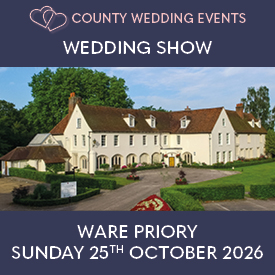


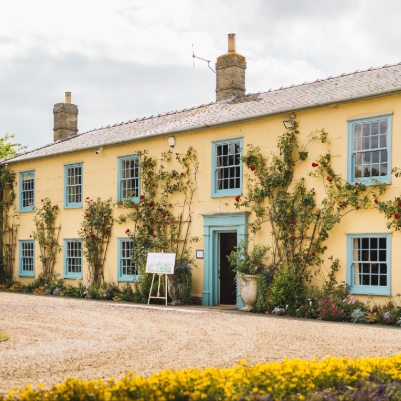
Ware Priory Wedding Show

VISIT SITE

The Conservatory at Luton Hoo

VISIT SITE

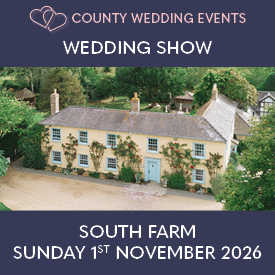
South Farm Wedding Show

VISIT SITE

Purple Kite Photography

VISIT SITE

3 things no one tells you when it comes to setting your wedding budget

couple on sofa looking at ipad

2024 is set to be a bumper year for weddings. In addition to the usual 275,000 or so which take place in the UK each year, the big day is finally coming around for a lot of couples who had to postpone because of the pandemic.

Unfortunately, the cost of living crisis is squeezing all those couple's budgets tighter than ever so we've asked Isabel Smith, wedding industry veteran and founder of www.wed-start.co.uk, to offer her advice on setting (and sticking to!) that spreadsheet.

Today, Isabel let's us in on the things no-one ever tells you when you're setting your wedding budget: When I tell people I'm a wedding planner, one of the first questions I always get asked is "what does a wedding cost these days?" Much like the proverbial piece of string, there isn't an easy answer – it costs whatever the couple ends up spending.

But for most couples, that final figure doesn't become clear until most of the planning is done – or even until after the wedding itself. And it's not usually because they didn't plan their budget out, it's because of three simple, if painful truths:

1) Your initial budget simply won't include everything
There is a lot of fantastic advice out there to help you plan your wedding, including some brilliant resources for budgeting, but I am yet to find a free budget planner, which includes absolutely everything you'll end up paying for.

The big-ticket items will be there – venue, dress/suit, and photographer – but not in enough detail. Bridesmaid's attire is a good example. The spreadsheet will include rows for dresses, and sometime hair and make-up, but what about jewellery, shoes and bags? I'm not suggesting it is your responsibility to pay for any or all of those items, but if you do plan to (footwear for your junior bridesmaids for example), you need to factor those costs in so your budget doesn't spiral.

Food and beverage is another one. One row of a spreadsheet is fine if you are opting for a package (and that package happens to meet your needs), but every addition (canapes, upgrades to wines, evening catering) needs to be included if you are going to accurately track your spending.

You'll also encounter costs that don't appear in the spreadsheet at all! I see it less and less (thankfully) but some suppliers still list their wedding prices excluding VAT. What's on the rise however is the American practice of venues and caterers adding a compulsory gratuity onto the bill (often a percentage of the food and beverage spend), which I think is outrageous! Staff costs should be built into the venue hire fee, and tips should be entirely at your discretion. It's one to watch out for.

THE SOLUTION: Build a really healthy contingency into your budget from day 1. At least 10%

Other surprise costs often include:
- Confetti and other small decorative details you just can't resist!
- Last minute taxis for great Aunt Flo who thought she could grab a lift to the reception
- Booking the bridal suite the night before the wedding so you don't have a gap during check out/check in just as you are trying to get ready!
- Thank you gifts for parents/attendants

couple sat on sofa with their dog looking at lap top

2. Budget breakdowns are based on 'the average' wedding
Even if you've managed to include everything in your budget spreadsheet, you've got to figure out how much you are actually going to spend on each item. The best budget resources I have seen let you enter your total budget into a box at the top, and it populates the rest of the spreadsheet with a recommended amount to spend on each item. This is a fantastic starting point, but remember that these figures are based on averages.

Most couples spend around 50% of their total budget on their reception venue, food and beverages. But are you most couples? If you're more about the evening entertainment than a three course sit down, that 50% allocation might not be appropriate for you. A real fashionista might spend more than the average on their outfit – that's got to come from somewhere else in the budget.

A few other averages:
- Photographer: 10-12%
- Entertainment: 8-10%
- Cake: 2%
- Stationery:3%

THE SOLUTION: Before you start booking anything, do some deep research on the costs of a few key items so you can tweak all the budget figures to suit your wedding plans.

3. Some things will cost more than you expected
Whether it's because you've forgotten something, underestimated the cost of an item, or because you've fallen in love with something that's over budget, even with the best planning in the world, you are very likely going to spend more than you planned to on something as you go.

Flowers and décor is often the main surprise. I come across a lot of "but I only want a few bouquets and 10 centrepieces – it can't cost much", not realising just how much planning and expertise goes into making arrangements that will look great all day.

Sticker shock can often hit on:
- The church. So many people think that a church wedding is (or should be) free. That's simply not the case.
- Wedding insurance. If we learned anything from the pandemic, it was the value of this investment!
- Alterations. Suits and dresses rarely have the cost of fitting/s included.

THE SOLUTION: Book your suppliers in order of priority so if you overspend on something early on, it will be something that matters to you and you can simply lower the budget for the less vital items.

Above all, remember that your wedding isn't something worth getting into debt over, so budget to what you can afford and try to keep in mind what the wedding is really all about!

You may also be interested in

New app launches to simplify one of marriage’s biggest admin headaches

New app launches to simplify one of marriage’s biggest admin headaches

Changing your name after marriage can mean updating details with countless organisations, from banks and subscriptions to official documents and employers. New app Name Change Navigator aims to make the process easier, guiding newlyweds through each step from one platform. Founded by Rebecca Dainton, Head of Product at Flutter UK & Ireland, the app was created to reduce the stress and mental load associated with name changes. It supports a range of naming journeys, including traditional surname changes, double-barrelling, blended surnames and other choices following marriage, civil partnership, divorce or personal identity changes. The launch comes as younger generations increasingly rethink traditional naming conventions, with technology offering a more streamlined approach to this often-overlooked part of newlywed life.

READ ARTICLE

Expert at Cake Box, shares 2026 wedding trends

Expert at Cake Box, shares 2026 wedding trends

Weddings may be rooted in tradition, but 2026 is seeing couples put their own spin on the big day. From reimagined wedding cakes to more personal, less conventional celebrations, today's couples are increasingly choosing what feels meaningful to them rather than simply following the rules. To explore how wedding traditions are evolving, Okay Rahman, Head of Product and in-house cake expert at Cake Box, shares their insight into the biggest wedding trends of 2026 — and how couples are putting a fresh, modern twist on some of the most-loved elements of the day. He said... "We're seeing that wedding cakes are becoming much more personal in 2026. The traditional tiered cake certainly hasn't disappeared, but couples are feeling less tied to the idea that a wedding cake has to look or taste a certain way. These days, it's being treated as another part of the styling of the day, so the design reflects the couple, the venue and the overall feel of the wedding.

READ ARTICLE

Are Brits risking their finances by avoiding the pre-wedding money talk?

Are Brits risking their finances by avoiding the pre-wedding money talk?

For many couples, talking about money can feel far less romantic than talking about the wedding itself. But as more Brits prepare to tie the knot — and with stronger legal rights on the horizon for unmarried couples — new research suggests we may be leaving some important financial conversations until it's too late. From avoiding money talk on first dates to steering clear of prenups, the findings reveal a nation surprisingly reluctant to discuss how to protect their finances, even when differences over money are already putting relationships under strain. Two thirds of Brits (66%) say they would not get a prenuptial agreement before marriage (48%) or have already opted against one (17%) - compared to 42% in both France and Spain. New findings from Europe's second largest neobank, bunq, reveal that Brits are markedly more resistant to prenuptial agreements than their continental neighbours – despite Britain's reputation as the less romantic nation.

READ ARTICLE

Couples could legally get married anywhere - legal comment

Couples could legally get married anywhere - legal comment

The UK Government has unveiled a new consultation to reform the wedding laws in England and Wales which is exploring how wedding ceremonies are conducted, particularly looking at wedding venues. The proposals are seeking to modernise the outdated legislation in this area which will eventually provide couples with greater freedom to decide where and how they will get married. At present, when a couple gets married, they need to have their legal ceremony in a licensed building or a registered place of worship. The existing laws have a further requirement that couples must ensure the individual officiating their wedding ceremony is either an authorised religious minister or a civil registrar.

READ ARTICLE